
Solutions
Three problems, one root cause.
Late visibility, late coverage, late answers. Each one is a gap between systems — which is where KEEL lives.

Ocean freight visibility
Know where the box is, not where the booking says it is.
- TodayCarrier milestones arrive late and disagree with the forwarder portal. Nobody trusts the ETA in the spreadsheet.
- With KEELKEEL reconciles vessel schedules, container events and your PO lines into one record — and flags the gap the moment two sources disagree.
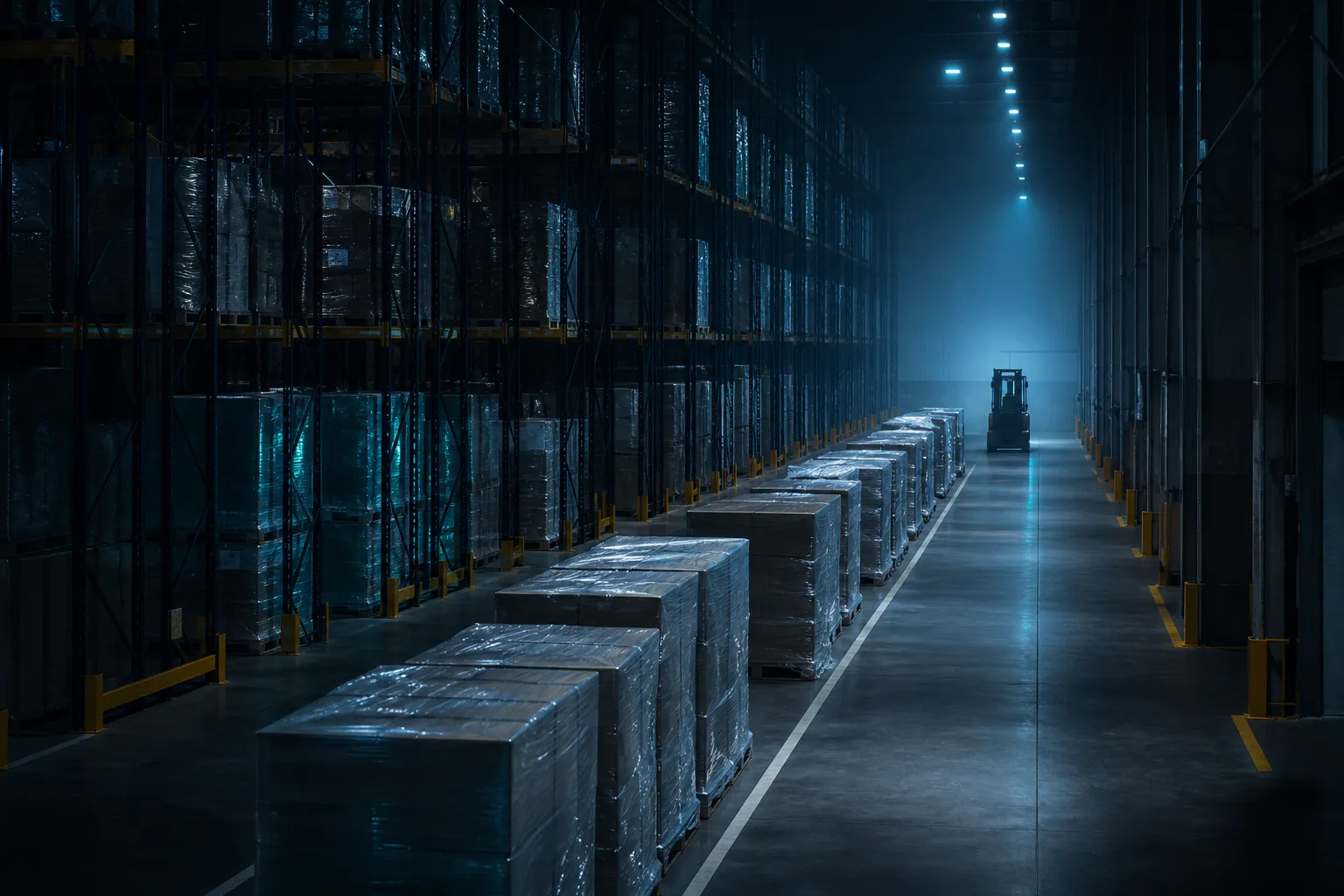
Inventory exposure
See the stockout while it’s still a shipping problem.
- TodayBy the time a delay reaches the planning team, it is a coverage problem, and the options left are all expensive.
- With KEELEvery in-transit shipment is priced against on-hand and demand, so a slipped vessel shows up as the SKUs that go short and the week they do.

Disruption response
Answer the executive question in the meeting, not after it.
- TodayA port closes. Someone spends the afternoon building a list of what is affected, and the list is stale by the time it is sent.
- With KEELFilter the graph by port, lane or carrier, and the exposure is already assembled — shipments, value and the customers behind them.
What exposure looks like
The week it goes short, weeks before it does.
A slipped vessel is not a shipping row — it is a coverage curve crossing a floor. KEEL draws that crossing the moment the ETA moves.
Where teams start
Pick the lane that hurts, not the whole network.
Most teams connect one trade lane first — enough sources to make the graph real, small enough to judge the agents against your own calls before anything scales.