Skip to content
SIX CELL TYPES

CAPABILITIES

Six cells cover the operations a fabrication shop repeats most. They share controls, program structure and spares, so a second cell is a copy rather than a new project.

Figures describe demonstration cell configurations. They are equipment specifications, not results, and no installation is being claimed.

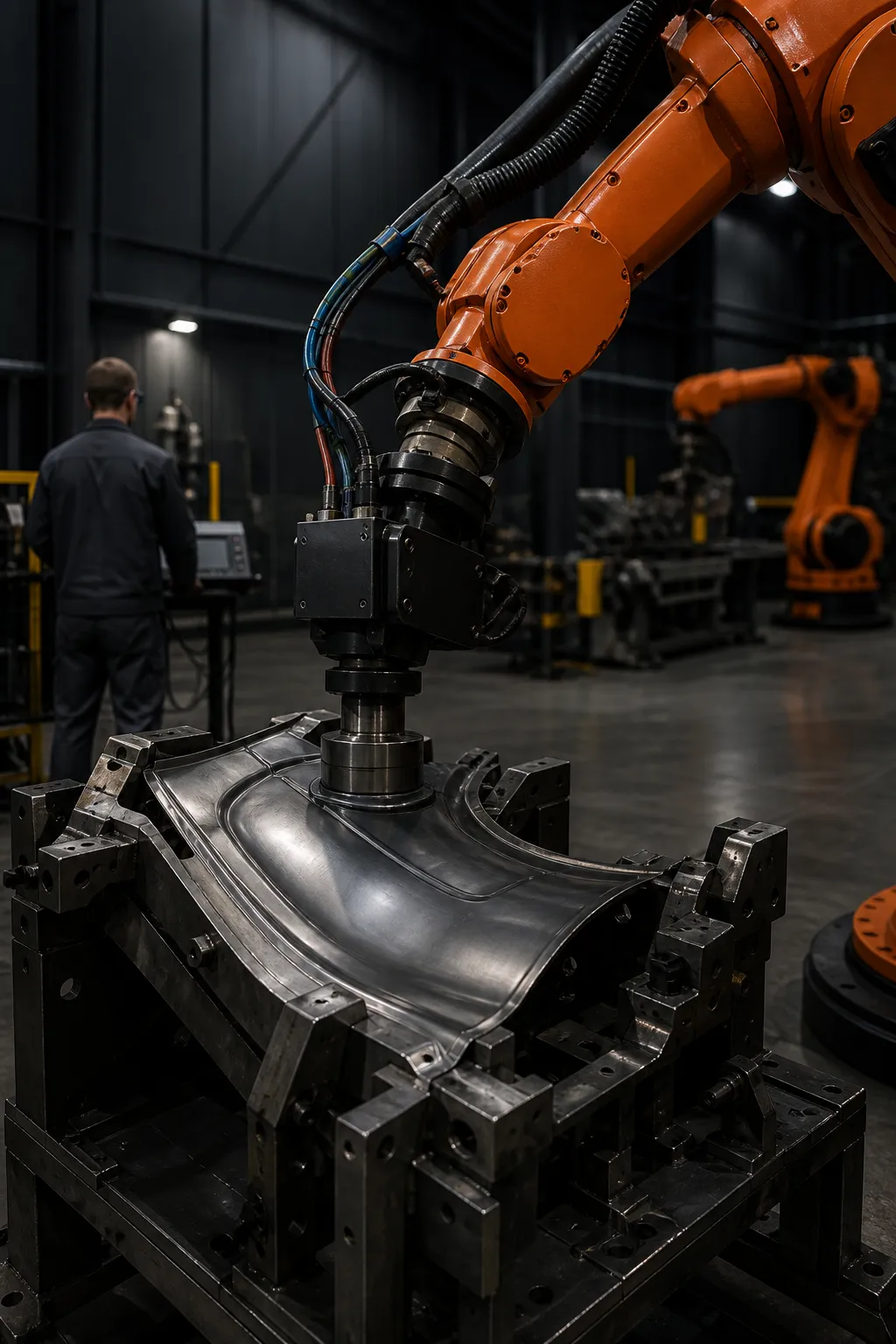
A robot arm pressing a forming tool against a sheet-metal panel held in a fixture.
FORM

Forming

A forming cell works a blank against a tool path instead of a dedicated die. The arm follows the surface in passes and the geometry lives in the program, so a revision is a file rather than a new tool on order.

That makes it useful where the volume is real but not enormous — service panels, low-run bodies, replacement sections for equipment that stopped being supported years ago.

REACH
2,600 mm
PAYLOAD
60 kg
REPEATABILITY
±0.06 mm
BLANK
1,500 × 3,000 mm
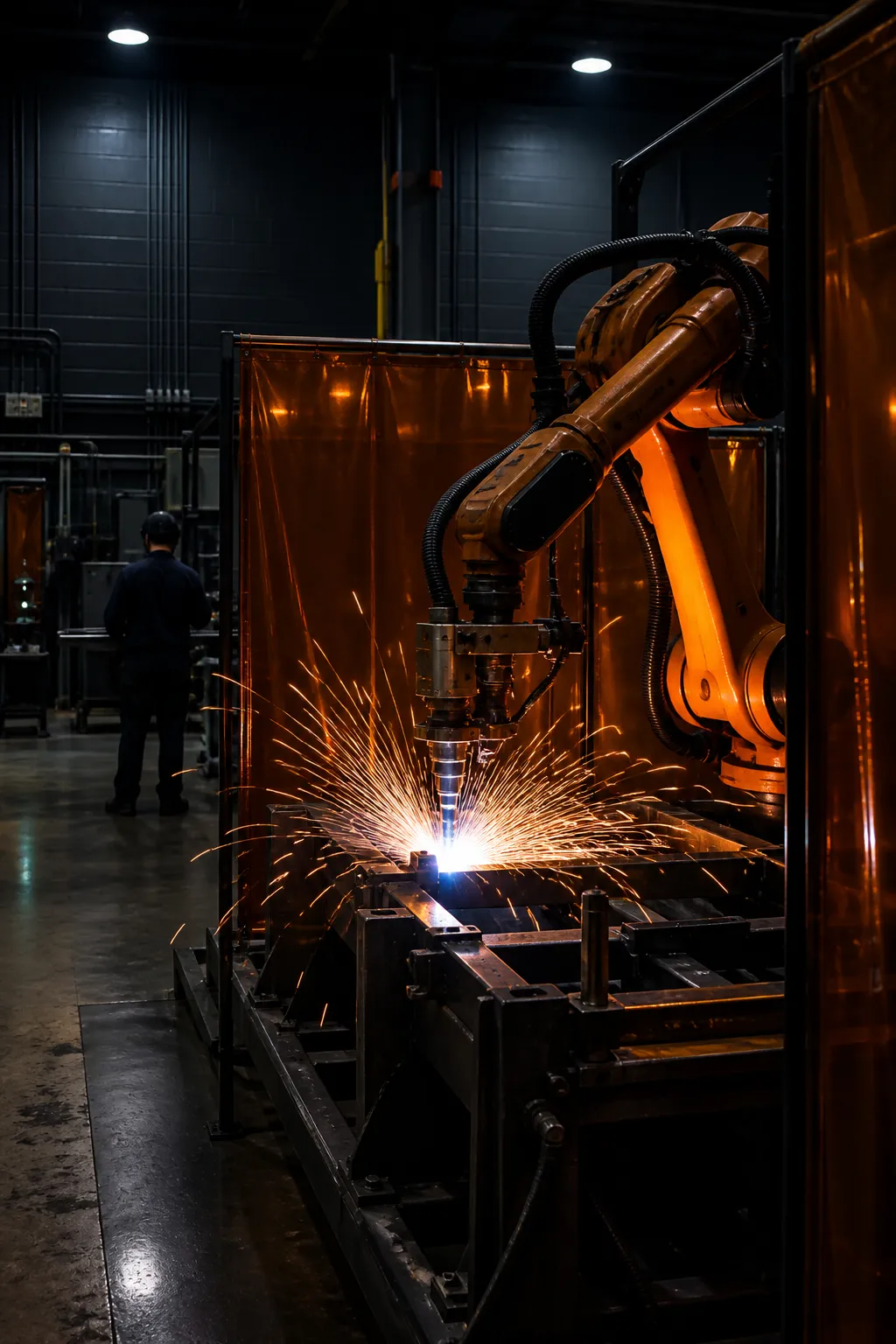
A welding robot mid-seam, a controlled fan of sparks lighting the cell.
WELD

Welding

A welding cell carries the torch, the fixture and the sequence together. Parts are located in a jig, the arm runs the seams in a fixed order, and the same order runs again on the next part.

We commission it against your coupons. The cell does not invent a process — it repeats the one your shop already wrote down, and leaves the awkward geometry and the repairs to your welders.

REACH
1,800 mm
PAYLOAD
12 kg at the torch
REPEATABILITY
±0.05 mm
POSITIONER
2-axis, 1,000 kg
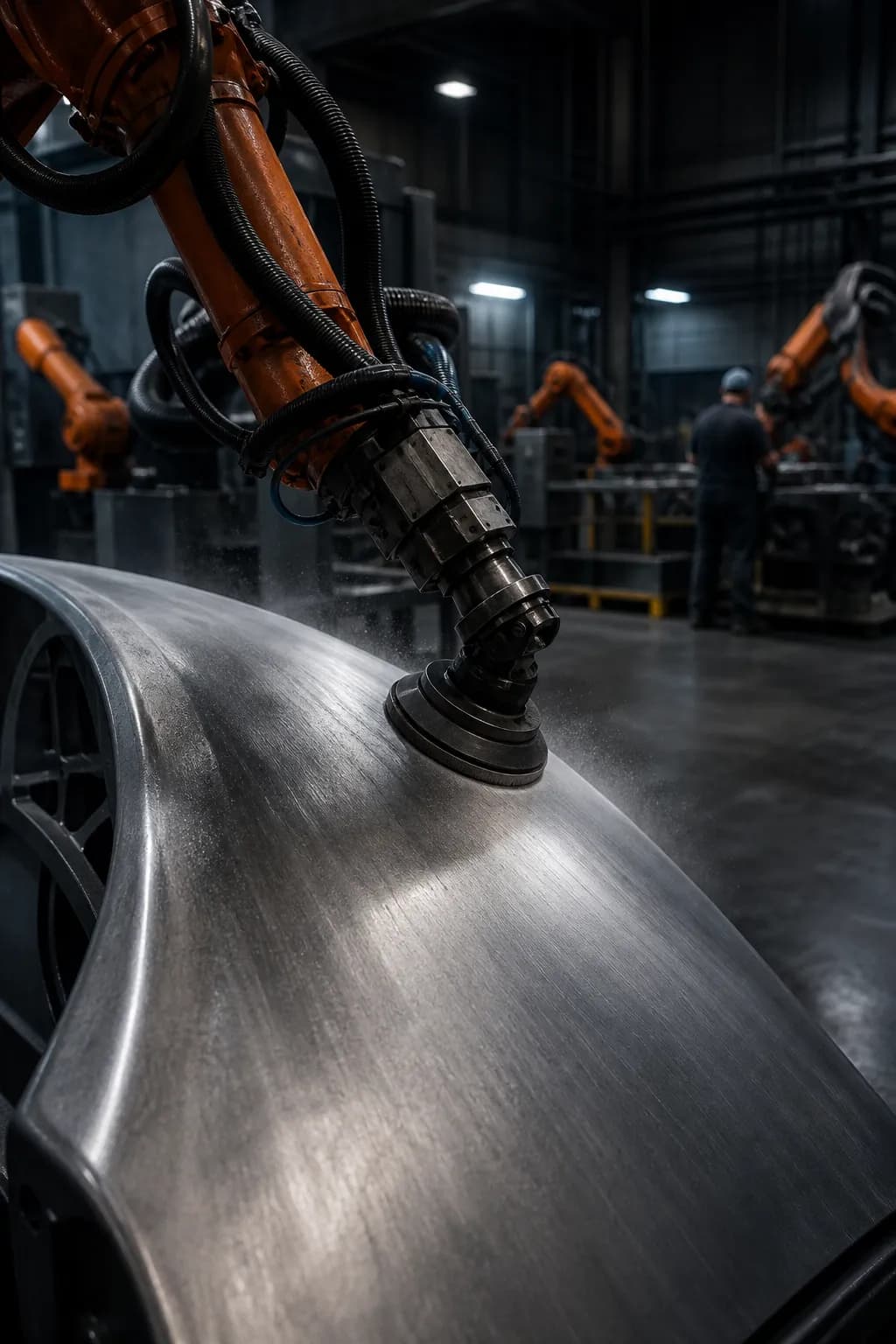
A robot arm with an abrasive head finishing a curved metal panel, fine dust in the work light.
FINISH

Finishing

Grinding, sanding and deburring are where hands get tired and surfaces drift. A finishing cell holds constant force against a curved surface and keeps the same pattern across the batch.

Force matters more than position here, so the head floats. It follows the part as fixtured, absorbs the variation the previous operation left behind, and holds pressure through it.

REACH
2,000 mm
PAYLOAD
25 kg
FORCE CONTROL
5 – 120 N
MEDIA
Belt, disc, brush
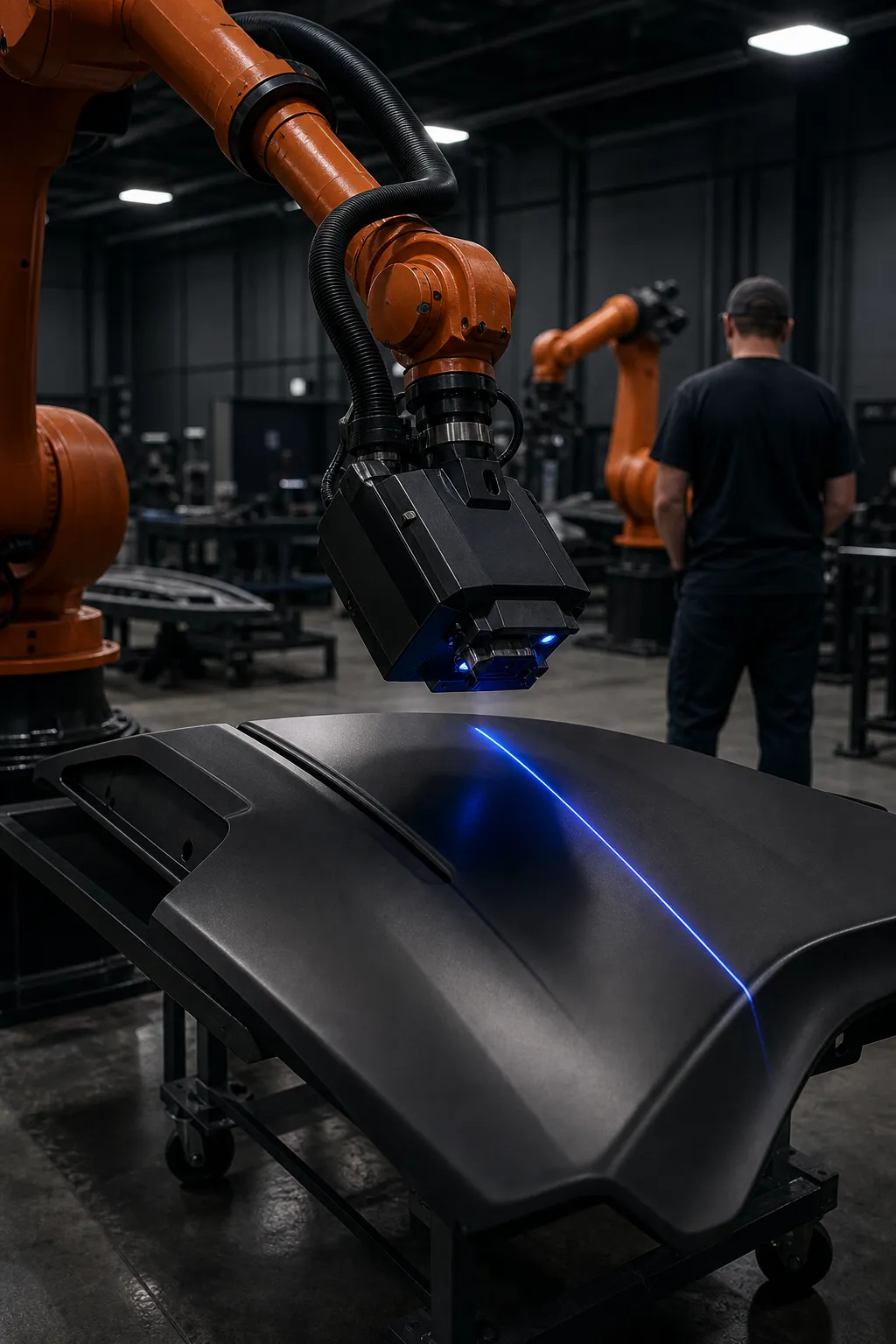
A robot arm holding a scanning head over a finished panel, a line of blue light sweeping the surface.
INSPECT

Inspection

An inspection cell scans the part before it moves — same fixture, same datum. Structured light sweeps the surface and the point cloud is compared against the model the part came from.

What comes out is a record, not a verdict: a deviation map, a serial, a timestamp, filed next to the program that produced the part. Which deviation is acceptable stays your engineering call.

SCAN VOLUME
1,200 × 900 × 600 mm
POINT SPACING
0.08 mm
PAYLOAD
8 kg at the head
OUTPUT
Mesh + deviation map
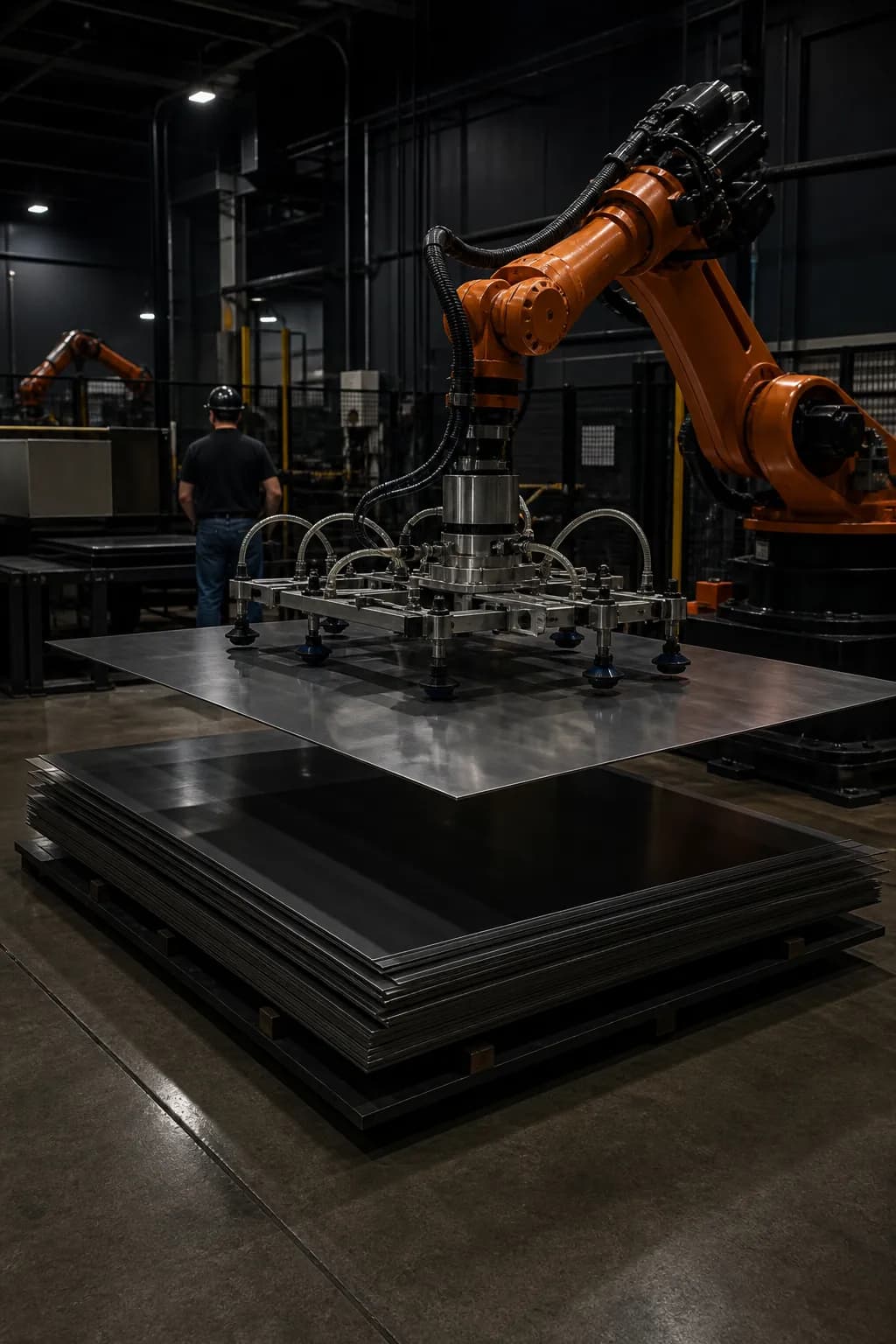
A robot arm with a vacuum gripper lifting a large sheet-metal blank from a stack.
HANDLE

Handling

Material handling is the quiet half of a cell. Blanks come off a stack, parts move between operations, and finished work lands on a rack in a known orientation.

Grippers are built around your actual parts — vacuum for sheet, mechanical for edges, a changer when one cell has to do both. Racks, stacks and infeed are drawn with the cell, not sorted out after the install.

REACH
3,100 mm
PAYLOAD
120 kg
GRIPPER
Vacuum / mechanical / changer
STACK HEIGHT
900 mm
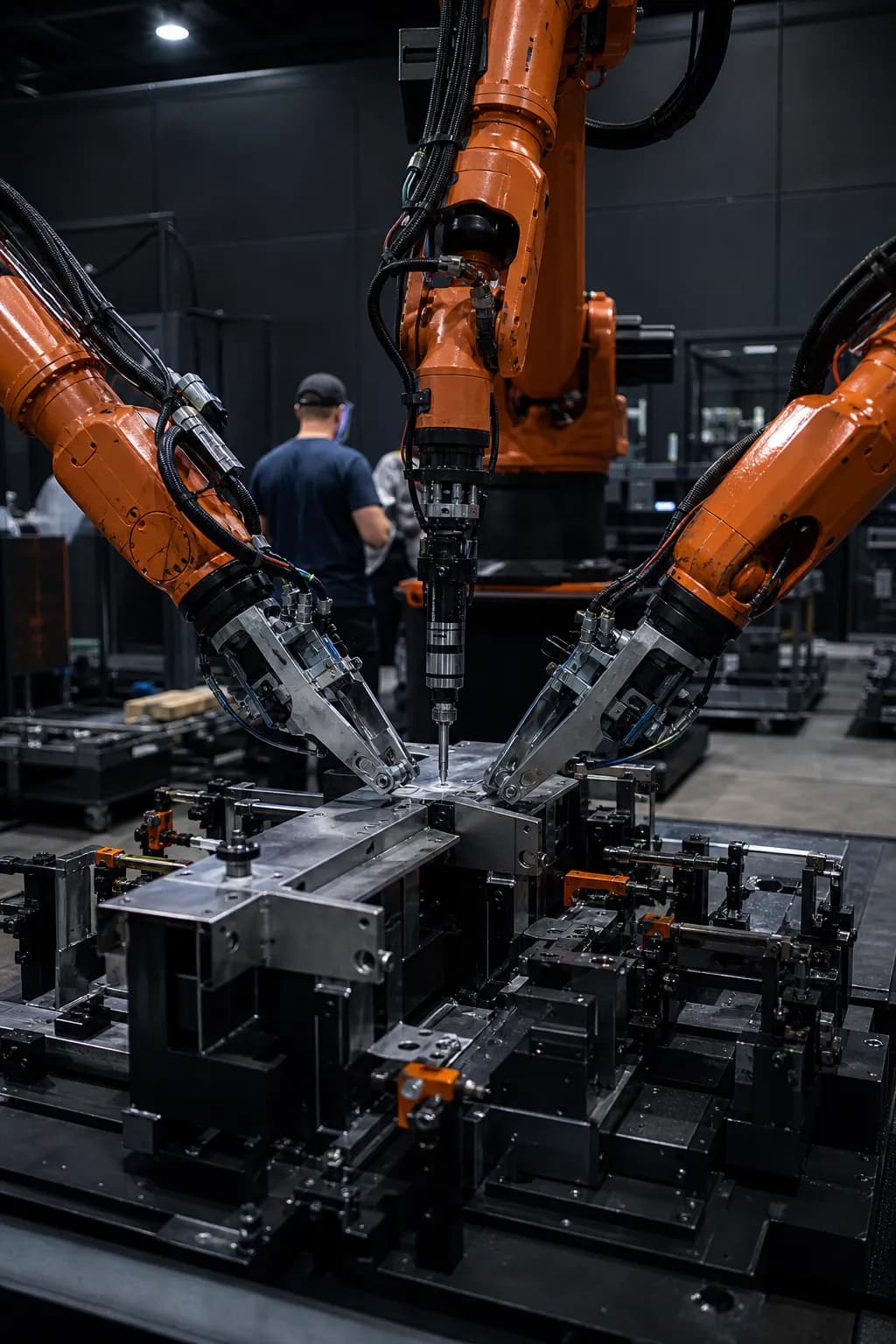
Two robot arms holding parts in alignment while a third drives fasteners over a jig table.
ASSEMBLE

Assembly

Assembly cells hold parts in alignment while something joins them — a fastener, a bead of adhesive, a tack. Two arms present the parts, one works, and the jig underneath carries the datum.

These are the cells that most often start as a pilot. Assembly is where a shop's real sequence lives, and the honest way to find it is to run a batch on the floor and watch which step the operators keep correcting.

ARMS
2 presenting + 1 working
REACH
1,600 mm
PAYLOAD
20 kg per arm
JOINING
Driven, riveted, adhesive

Figures describe demonstration cell configurations. They are equipment specifications, not results, and no installation is being claimed.

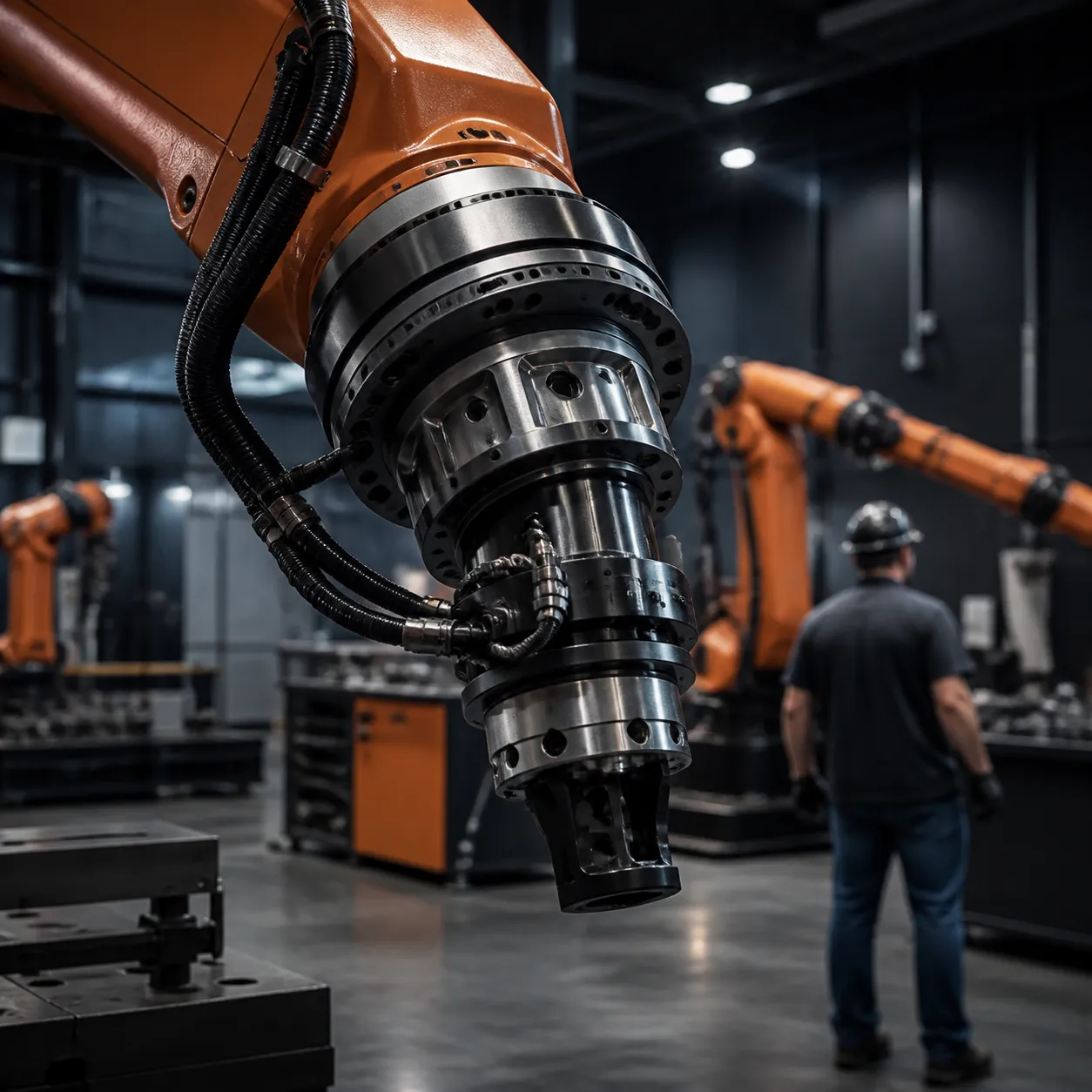
Close on a robot wrist joint and tool changer, cables dressed neatly.
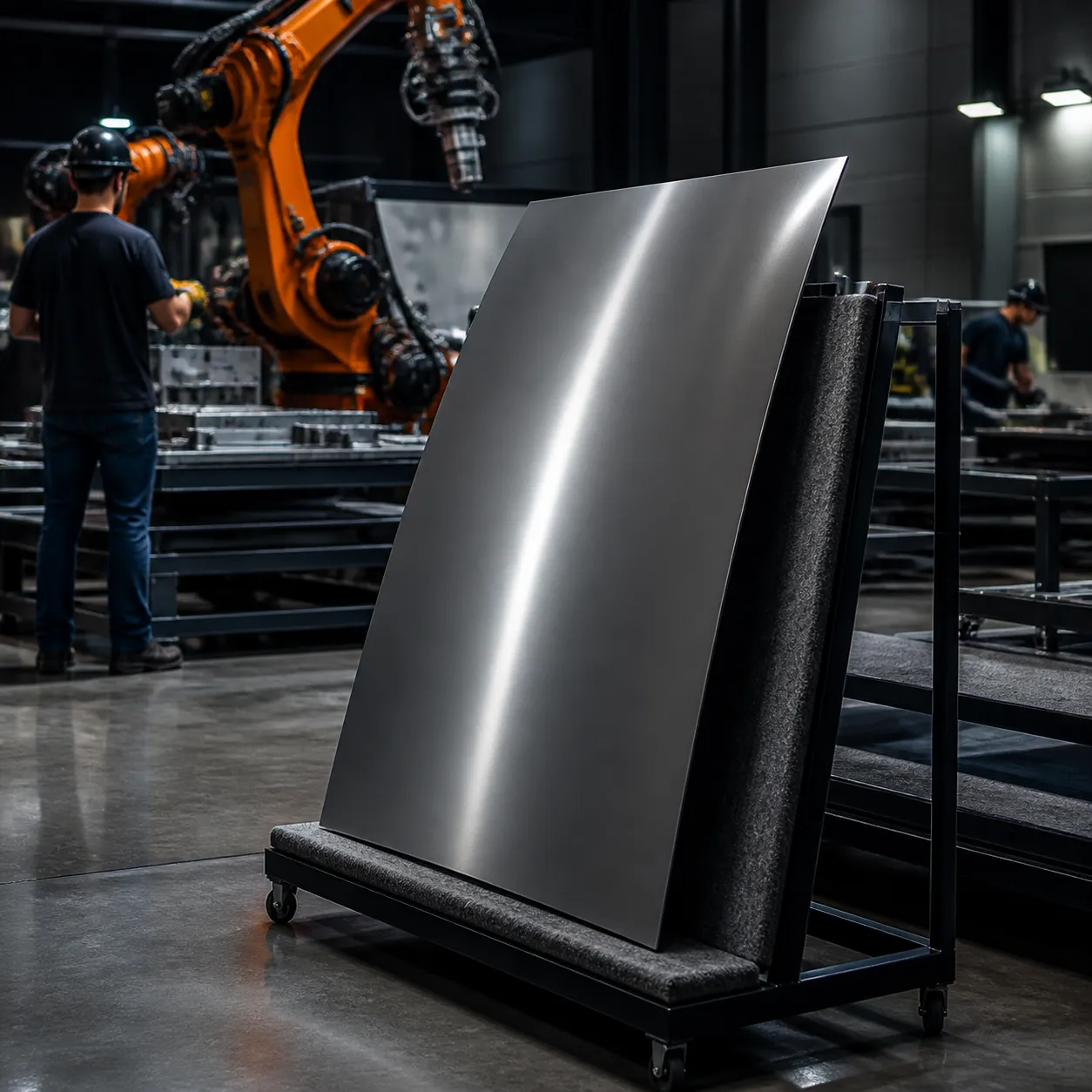
A finished compound-curved metal panel on a felt-lined rack, work light raking across it.

PUT AN ARM ON IT.

Send a print and the operation you would hand over first. We will tell you whether it belongs in a cell before anyone talks about a quote.

TALK TO US
GANTRY

Robotic fabrication cells, built and commissioned in the United States.

Works
GANTRY Works000 ○○ Avenue, Bay 00○○, MI 00000
hello@gantry.example(000) 000-0000

GANTRY is a fictional company built as a portfolio demonstration by Studio Super-Hi. The cells, specifications and readouts on this site are invented, the address, phone number and email address are placeholders, no customer is named or implied, and nothing here can be ordered.

© 2026 GANTRYDesign, build and motion by Studio Super-Hi.